Healthcare has always depended on information. The difference today is that information no longer has to wait for the next appointment. Remote Patient Monitoring — the continuous collection of patient health data outside clinical settings — has fundamentally changed when and how providers can act. But the technology only reaches its full potential when that data flows directly into the Electronic Health Record. Without that connection, RPM becomes just another dashboard to check. With it, it becomes part of how care is actually delivered.
What the Integration Actually Means
At its core, RPM-EHR integration means that readings from devices like blood pressure monitors, continuous glucose meters, pulse oximeters, and smart ECG patches are transmitted automatically and in near real-time into the patient's existing clinical record. Providers do not have to log into a separate platform, reconcile competing data sources, or manually enter figures that a device already captured.
The practical effect is significant. Clinicians get a complete, continuously updated view of a patient's health between visits. Alerts can be configured to flag abnormal readings before they become emergencies. And the entire care team — from the primary physician to the specialist to the care coordinator — is working from the same, current information.
Studies have shown that this kind of integration can reduce hospital readmissions by up to 38% and improve chronic disease management outcomes by 25%. For conditions like diabetes, hypertension, heart failure, and COPD — where trends matter as much as individual readings — having that longitudinal data embedded in the EHR changes the quality of clinical decision-making in ways that periodic visits simply cannot replicate.
The Interoperability Challenge
Despite its clear value, RPM-EHR integration remains technically complex for many healthcare organizations. The core problem is interoperability: different RPM devices generate data in different formats, and EHR systems were not always designed with external data streams in mind.
The emergence of open standards like FHIR and HL7 has made meaningful progress possible. These protocols establish a common language for health data exchange, allowing devices and platforms from different vendors to communicate without custom-built bridges for every pairing. Open APIs have further simplified the process, enabling more direct integration that does not require expensive intermediary software.
That said, the diversity of EHR systems in use — each with its own architecture, data fields, and workflow logic — means there is no universal plug-and-play solution. Healthcare organizations still need to assess compatibility carefully, evaluate whether their existing infrastructure can handle the additional data volume, and develop clear protocols for how incoming RPM data will be surfaced within clinical workflows.
Data Volume and Alert Fatigue
One challenge that becomes apparent quickly after integration is the sheer volume of data that continuous monitoring generates. A single patient with a wearable cardiac monitor can produce thousands of data points per day. Multiplied across a panel of patients, this creates a real risk of alert fatigue — the phenomenon where clinicians become desensitized to notifications because too many of them require no action.
Effective integration requires thoughtful configuration, not just technical connectivity. Thresholds for flagging abnormal readings should ideally be individualized per patient rather than set to generic population averages. A blood pressure reading that would concern one patient might be within normal range for another. Building that nuance into the alert logic is what separates an RPM program that genuinely supports clinical decision-making from one that generates noise.
Workflow design matters just as much as technology. Practices that successfully scale remote patient monitoring typically designate specific roles for data review — nurses or care coordinators who triage incoming RPM data and escalate only what requires physician attention — rather than routing every alert to the busiest people in the practice.
Chronic Disease Management as the Primary Use Case
The clearest return on investment for RPM-EHR integration is in chronic disease management. Patients with conditions that require ongoing monitoring benefit directly from the ability of their care team to track trends in real time and intervene before deterioration becomes acute. This is precisely the population where most hospitalizations are preventable with earlier action — and where the economics of value-based care make proactive monitoring not just clinically sound but financially rational.
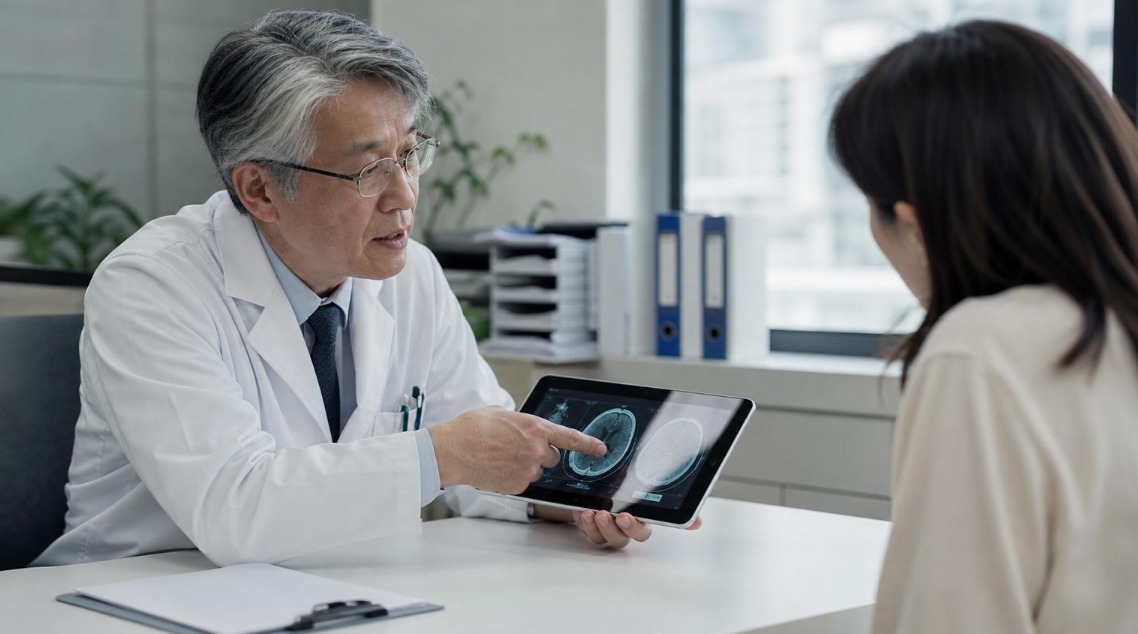
Continuity of care across in-person and virtual settings also improves substantially when RPM data is woven into the EHR. A patient seen via telemedicine for a follow-up on their hypertension management does not need to report their readings from memory — the provider already has weeks of data in front of them. The consultation becomes more precise, more efficient, and more meaningful for the patient.
Reimbursement: The Business Case Is Already There
One barrier that has historically slowed RPM adoption was uncertainty around reimbursement. That picture has clarified considerably. CMS has established specific CPT codes for RPM services, covering initial setup, device supply, and monthly monitoring time. Most private insurers have followed with their own coverage frameworks.
For practices managing panels of patients with chronic conditions, RPM is not just a clinical investment — it is a revenue stream that did not previously exist. The key is ensuring that integration with the EHR supports the documentation requirements that reimbursement depends on: accurate time tracking, patient consent records, and evidence of clinical review.
Choosing the Right Platform for Seamless Integration
The difference between an RPM implementation that works and one that creates more problems than it solves often comes down to platform selection. Organizations that choose telemedicine and EHR solutions built with integration as a core design principle — rather than as an afterthought — reduce technical friction, staff burden, and the risk of data inconsistencies that can compromise clinical decisions.
Native integration, where RPM capabilities are embedded directly into the EHR rather than connected through third-party middleware, offers the most reliable and sustainable path. It reduces the number of systems staff have to manage, simplifies training, and ensures that patient data is always where clinicians expect to find it.
CareExpand: RPM and EHR Under One Roof
CareExpand is built on the understanding that disconnected tools create disconnected care. Our platform brings together EHR, telemedicine, and remote patient monitoring in a single integrated environment, so providers are never toggling between systems to get a complete picture of their patients.
Whether you are managing post-surgical recovery, chronic disease panels, or preventive care programs, CareExpand gives your team the real-time visibility and workflow support to act on data when it matters — not days later at the next scheduled visit. That is what integration is supposed to look like.
The future of care is continuous, not episodic. RPM and EHR integration is one of the clearest paths to making that future practical today.
Related posts


The operating system for value-based care
And experience the impact of telemedicine within your organisation