A virtual consultation is not simply an in-person appointment moved to a screen. It is a different kind of clinical encounter — one that requires its own set of competencies, preparation habits, and communication skills. The providers and practices that understand this distinction are the ones delivering virtual care that patients trust, recommend, and return to.
The Promise and the Pitfall of Virtual Care
Telemedicine has expanded access to care in ways that were simply not possible before. Patients in remote areas can reach specialists. Parents can consult a pediatrician without disrupting a school day. Elderly patients with mobility challenges can attend follow-up appointments from home. Chronic disease patients can check in with their care team weekly rather than monthly.
But the convenience of virtual care can mask a significant risk: that the ease of the format leads to encounters that feel rushed, impersonal, or clinically incomplete. A patient who logs off a video consultation feeling unheard, confused about their treatment plan, or uncertain what to do next has not received good care — regardless of how technically proficient the platform was.
Delivering genuinely effective virtual consultations requires intentionality at every stage of the encounter — before, during, and after the appointment.
Before the Consultation: Preparation Is Everything
Set Up a Professional Clinical Environment
The physical environment in which a clinician conducts virtual consultations communicates professionalism and builds patient confidence. A plain, neutral background — or a tidy, recognizable clinical setting — signals that the provider is present and focused. Cluttered, distracting, or visually busy backgrounds undermine the patient's sense that they have the provider's full attention.
Lighting matters significantly. Natural light from the front, or a well-positioned desk lamp, ensures the clinician's face is clearly visible and that expression and non-verbal communication come through clearly. Backlighting — with a bright window behind the provider — is one of the most common and most easily corrected errors in virtual consultation setup.
Camera position should be at eye level. A camera positioned below eye level creates an unflattering angle and disrupts the sense of direct eye contact that is central to clinical rapport. For most providers using a laptop, this means elevating the device — a simple adjustment that makes a meaningful difference to how the encounter feels.
Test Technology Before Every Session
Technical failures during a consultation — poor audio, frozen video, dropped connections — are not just inconveniences. They interrupt the clinical flow of the encounter, frustrate patients, and erode confidence in the provider and the platform. A brief technology check before each session — confirming audio, video, internet connection, and platform functionality — takes less than two minutes and prevents a disproportionate share of virtual care's most common problems.
Review the Patient Record in Advance
In a physical clinic, a provider might glance at the chart in the hallway outside the exam room. In a virtual consultation, that preparatory moment requires more deliberate effort. Reviewing the patient's recent history, outstanding concerns, previous consultation notes, and any pending results before the appointment begins allows the provider to enter the encounter with context — and avoids the impression that the patient is starting from zero every time.
Send Pre-Visit Communication to Patients
Patients who arrive at a virtual consultation having been clearly prepared for it have better experiences and generate better clinical outcomes. Pre-visit communication should confirm the appointment time, provide clear instructions for joining the call, indicate what the patient should have ready — a list of current medications, their blood pressure readings from the past week, photos of a skin concern — and set expectations about the format and duration of the encounter.
Simple, accessible pre-visit instructions dramatically reduce the technical difficulties and late starts that disrupt virtual consultation schedules and erode the efficiency advantages of telehealth.
During the Consultation: The Clinical Encounter
Open With Presence and Acknowledgment
The opening moments of a virtual consultation set the tone for everything that follows. A warm, unhurried greeting — using the patient's name, acknowledging that they have joined successfully, and briefly orienting them to the structure of the encounter — communicates that the provider is fully present and that the patient has their complete attention.
This is more important in a virtual format than in person. Without the physical cues of a clinical environment, patients can feel uncertain about whether the connection is adequate, whether the provider can see and hear them properly, and whether they have the provider's full focus. Addressing these concerns explicitly and early removes a layer of anxiety that would otherwise sit beneath the entire encounter.
Maintain Eye Contact Through the Camera
One of the most counterintuitive habits of effective virtual consultation is looking at the camera rather than the screen. When a clinician looks at the patient's face on their monitor, the patient sees them looking downward — and the sense of direct eye contact, so important to clinical rapport and patient trust, is lost.
Training oneself to look at the camera lens during key moments — when listening, when delivering important information, when expressing empathy — is one of the single most impactful adjustments a provider can make to their virtual consultation practice. It is also one of the hardest habits to build, because it requires looking away from the visual information on the screen. But the payoff in terms of patient connection is substantial.
Adapt the Clinical Interview for the Virtual Format
The virtual format changes the dynamics of history-taking. Without the ability to observe a patient walking into a room, perceiving their general demeanor at close range, or noting physical details that might prompt a clinical question, providers must be more systematic and more explicit in their information gathering.
Open-ended questions followed by focused clarification work particularly well in virtual consultations. Asking patients to describe what they are experiencing in their own words — and then narrowing systematically — builds a comprehensive picture while ensuring the patient feels heard. Silence, which can feel awkward in a virtual format, should be embraced: patients given space to think and speak without interruption provide richer, more accurate histories.
Conduct Guided Patient Self-Examination Where Appropriate
The absence of hands-on physical examination is the most significant clinical limitation of virtual consultations — but it is not as absolute as it first appears. Providers who are skilled in guided patient self-examination can gather meaningful clinical information that goes beyond what a verbal history alone provides.
Asking a patient to press on an area of abdominal discomfort and describe what they feel. Requesting that they turn their neck and report where pain is reproduced. Observing gait, posture, or the range of motion of a joint via video. Examining a skin lesion through a high-resolution camera image. None of these replicate the precision of a physical examination — but all of them expand the clinical picture available in a virtual encounter.
Providers who invest in developing guided examination skills become significantly more effective virtual clinicians, and significantly better at determining which patients genuinely require an in-person visit and which can be managed safely and thoroughly online.
Share Screens and Visual Resources
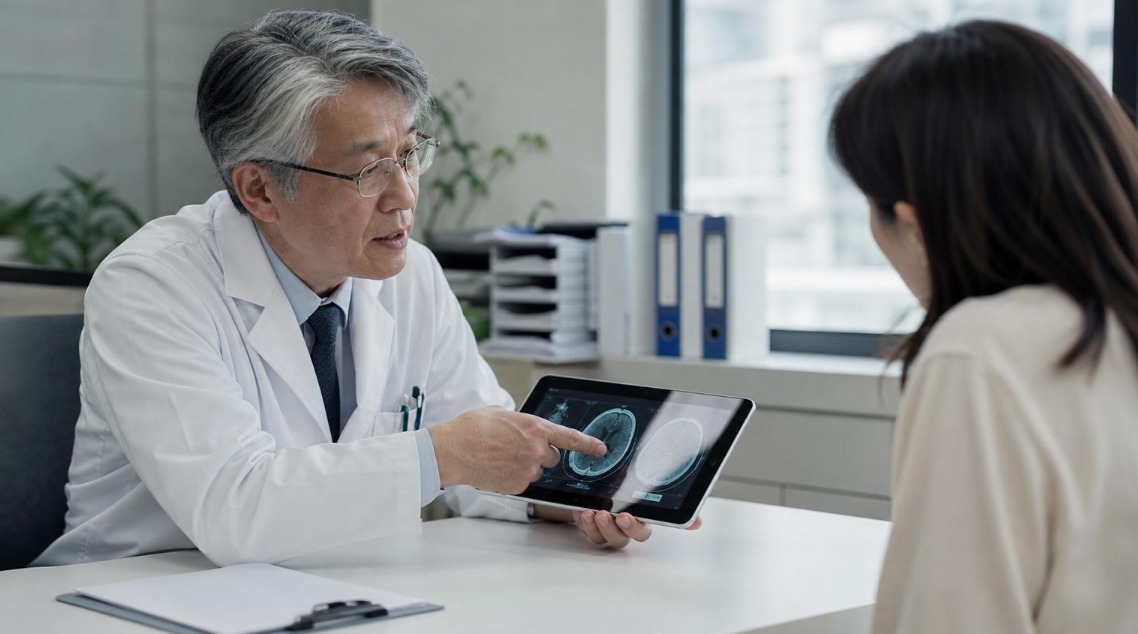
The virtual format offers a communication capability that the physical clinical encounter does not: the ability to share visual information directly with the patient in real time. Explaining a diagnosis by sharing a simple anatomical diagram, walking through a patient's lab results on screen, or showing a brief video demonstrating a prescribed exercise or technique can dramatically improve patient understanding and adherence.
Providers who use screen sharing to educate patients during virtual consultations consistently report higher levels of patient engagement and better comprehension of treatment plans. The technology that might seem like a limitation is also, in the right hands, a clinical tool.
Manage the Consultation Structure Deliberately
Virtual consultations have a natural tendency to drift — without the physical cues of a clinical environment to anchor the encounter, conversations can become unfocused or run over time. Providers who state the agenda explicitly at the start, summarize periodically during the encounter, and close with a clear, structured recap of what has been discussed and decided deliver more effective virtual consultations than those who allow the structure to emerge organically.
The closing summary deserves particular attention. Before ending the call, providers should confirm — not assume — that the patient understands their diagnosis, their treatment plan, any medications or referrals being arranged, and the circumstances under which they should seek urgent care. Asking the patient to repeat back the key points of the plan is one of the most evidence-based communication techniques in medicine — and it is just as applicable, and just as important, in a virtual format.
After the Consultation: Closing the Loop
Send a Post-Visit Summary
One of the most underutilized tools in virtual care is the post-visit summary — a brief, patient-readable document sent through the patient portal or secure messaging system that recaps the key points of the consultation: the main concern addressed, the diagnosis or assessment, the treatment plan, medications prescribed, referrals arranged, and follow-up instructions.
Patients who receive a written summary of their consultation are more adherent, less likely to call back with questions, and more satisfied with their care experience. In a virtual format, where patients may have absorbed only a fraction of the verbal information conveyed during the call, a written summary is not a nice-to-have — it is a clinical communication standard.
Document Thoroughly and Promptly
Virtual consultation documentation carries the same clinical and medicolegal weight as in-person encounter notes. Providers should document the assessment, the reasoning behind clinical decisions, the information shared with the patient, the consent obtained for any remote prescribing, and the safety-netting advice provided — including specific circumstances under which the patient was advised to seek in-person or emergency care.
Documentation completed promptly after the encounter, while details are fresh, is consistently more accurate and more complete than notes written hours or days later.
Follow Up on Pending Actions
Virtual consultations often generate actions that need to be tracked: lab orders, referral letters, prescription approvals, or follow-up appointments. The administrative streamlining that makes telehealth attractive can create a false sense that these items are automatically handled. Building explicit follow-up processes — with clear ownership and timelines — ensures that nothing falls through the gap between a virtual visit and the next clinical touchpoint.
When Virtual Is Not the Right Choice
Effective virtual consultation practice includes knowing when virtual care is not appropriate. Red flags that should prompt conversion to an in-person assessment include physical symptoms requiring hands-on examination, clinical situations where the provider is unable to gather sufficient information to make a safe assessment, patients who are visibly distressed or struggling to communicate effectively, and any situation where the provider's clinical judgment identifies a risk that cannot be adequately assessed or managed remotely.
Communicating this decision to a patient — explaining clearly why an in-person visit is needed and arranging it promptly — is itself a mark of clinical quality. Virtual care is a powerful complement to in-person medicine. It works best when providers apply the same clinical judgment to deciding when to use it as they do to every other aspect of their practice.
The Platform Makes a Difference
Even the most skilled virtual clinician is constrained by the platform they work on. Platforms that are intuitive for patients to join, reliable in their audio and video quality, integrated with the clinical record, and designed to support rather than disrupt the clinical workflow make effective virtual consultations easier to deliver consistently.
CareExpand provides a telehealth environment built around the needs of both providers and patients — combining video consultation capability with integrated scheduling, clinical documentation, secure messaging, and patient portal features in a single, coherent platform. When the technology works seamlessly, the clinician can focus entirely on what matters: the patient in front of them.
Conclusion
Effective virtual medical consultations do not happen by accident. They are the product of deliberate preparation, practiced communication skills, structured clinical habits, and the right technological foundation. The providers who invest in developing genuine virtual care competency — and the organizations that support them in doing so — are building a capability that will define the quality of their care delivery for years to come.
The screen between a provider and patient does not have to diminish the encounter. In the hands of a skilled, prepared clinician, it can be a window through which exceptional care is delivered.
Virtual care done well is not second-best care. It is a different kind of excellence.
CareExpand — Powering the future of healthcare delivery.
Related posts


The operating system for value-based care
And experience the impact of telemedicine within your organisation