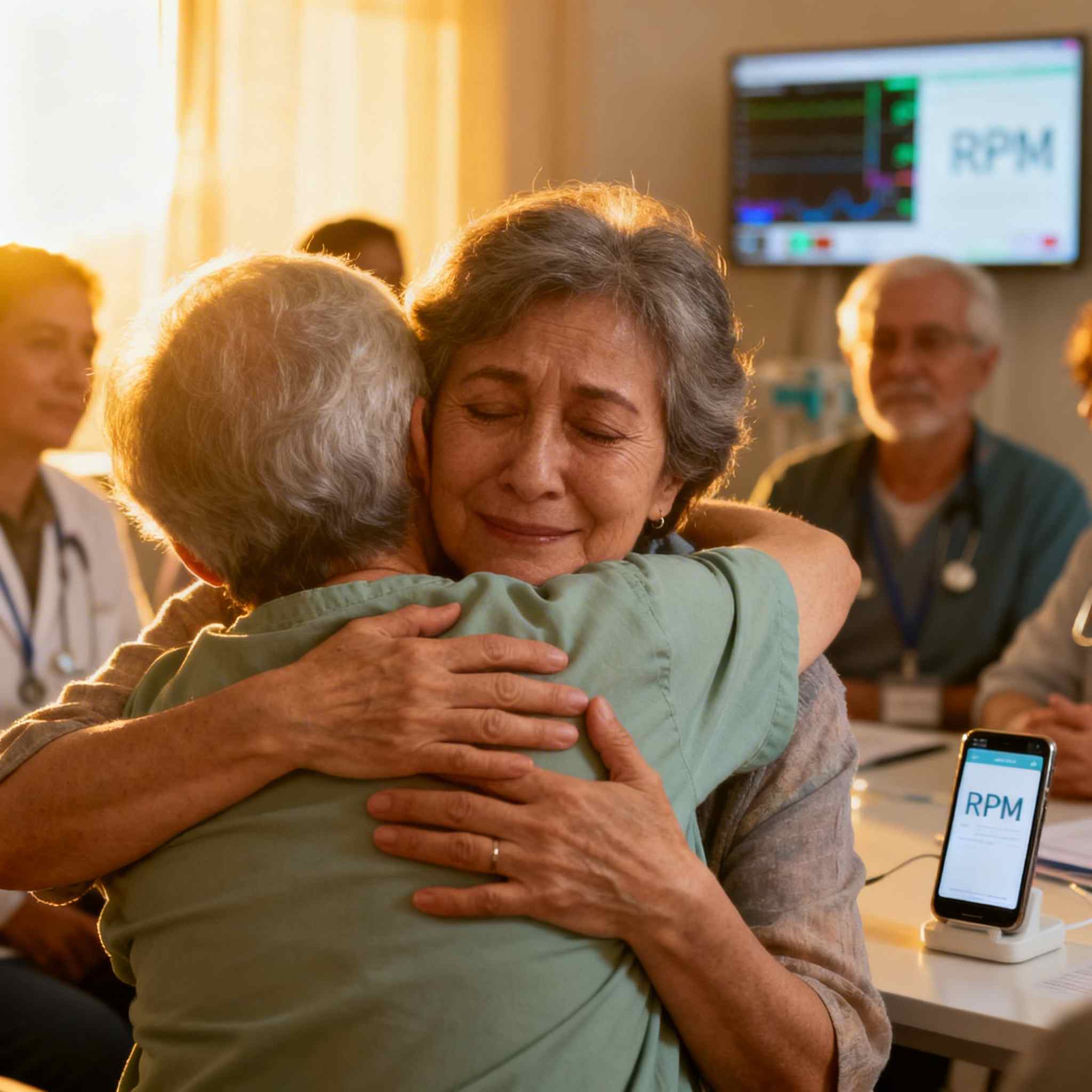
Chronic diseases are one of the biggest challenges facing healthcare systems worldwide. Conditions such as diabetes, heart disease, and respiratory disorders require continuous monitoring and long-term management, often placing a significant burden on both patients and providers.
Remote Patient Monitoring (RPM) is transforming how chronic conditions are managed. By enabling continuous, real-time tracking of patient data outside traditional clinical settings, RPM improves outcomes, reduces hospitalizations, and enhances patient engagement.
But beyond theory, what does success look like in practice?
What is RPM in chronic disease management?
Remote Patient Monitoring (RPM) uses connected devices and digital platforms to collect and transmit patient health data in real time. This data can include:
- Vital signs (blood pressure, heart rate, oxygen levels)
- Glucose levels
- Physical activity
- Symptoms and patient-reported outcomes
Healthcare providers can monitor patients remotely, detect early signs of deterioration, and intervene before complications arise.
Why RPM is critical for chronic care
Chronic diseases require ongoing attention, but traditional care models rely heavily on periodic visits. This creates gaps in monitoring and delays in intervention.
RPM addresses these limitations by:
- Providing continuous visibility into patient health
- Enabling early detection of issues
- Reducing unnecessary hospital visits
- Supporting personalized care plans
- Empowering patients in their daily management
Success stories: RPM in action
1. Diabetes management: improving glycemic control
RPM has significantly improved diabetes care by enabling continuous glucose monitoring and data sharing with healthcare providers.
Impact:
- Better glycemic control through real-time adjustments
- Reduced risk of complications
- Increased patient adherence to treatment plans
Patients no longer rely solely on sporadic measurements. Instead, providers can track trends and intervene proactively.
2. Heart failure: reducing hospital readmissions
Heart failure is one of the leading causes of hospital readmissions. RPM allows providers to monitor key indicators such as weight, blood pressure, and heart rate.
Impact:
- Early detection of fluid retention and deterioration
- Timely interventions that prevent hospitalizations
- Improved patient quality of life
Several healthcare systems have reported significant reductions in readmission rates after implementing RPM programs.
3. COPD and respiratory diseases: proactive care
Patients with chronic respiratory conditions benefit greatly from continuous monitoring of oxygen saturation and symptoms.
Impact:
- Early identification of exacerbations
- Reduced emergency visits
- Better adherence to treatment
RPM enables a shift from reactive to proactive care, especially in vulnerable populations.
4. Hypertension: better long-term control
Hypertension is often underdiagnosed or poorly controlled. RPM allows for regular blood pressure monitoring at home.
Impact:
- More accurate and consistent readings
- Improved medication management
- Reduced risk of cardiovascular events
Providers can adjust treatments based on real-world data rather than isolated clinical measurements.
5. Post-discharge monitoring: preventing complications
After hospital discharge, patients are at high risk of complications. RPM ensures continuity of care during this critical period.
Impact:
- Early detection of post-discharge issues
- Reduced readmission rates
- Increased patient confidence and safety
Key benefits demonstrated by RPM programs
Across these use cases, several consistent benefits emerge:
- Reduced hospitalizations and readmissions
- Improved clinical outcomes
- Higher patient engagement and adherence
- More efficient use of healthcare resources
- Better communication between patients and providers
Challenges to consider
While RPM delivers clear benefits, successful implementation requires careful planning:
- Integration with existing healthcare systems
- Training for both staff and patients
- Data management and interoperability
- Ensuring patient data privacy and security
- Reimbursement and regulatory considerations
Overcoming these challenges is key to scaling RPM programs effectively.
How CareExpand enables RPM success
At CareExpand, we support healthcare providers in implementing scalable and effective Remote Patient Monitoring solutions.
Our platform enables:
- Continuous monitoring of patient data in real time
- Early detection of risk signals through advanced analytics
- Seamless communication between patients and care teams
- Personalized care pathways based on real-world data
By combining technology with clinical insight, CareExpand helps transform chronic disease management into a more proactive, efficient, and patient-centered process.
The future of RPM in chronic care
As healthcare systems move toward value-based care, RPM will play an increasingly central role. Advances in wearable technology, AI, and data integration will further enhance its impact.
The ability to monitor patients continuously and intervene early is not just an innovation—it is becoming a standard of care.
Conclusion
Remote Patient Monitoring is already delivering measurable success in chronic disease management. From diabetes to heart failure, RPM enables better outcomes, fewer hospitalizations, and more engaged patients.
Healthcare organizations that adopt RPM are not only improving care delivery—they are building a more sustainable and resilient healthcare system.
Related posts


The operating system for value-based care
And experience the impact of telemedicine within your organisation