A decade ago, handing a patient a photocopied brochure about managing diabetes or recovering from knee surgery was standard practice. That era is effectively over. Digital tools now carry the weight of patient education, and the shift has been dramatic: hospitals, clinics, and independent practices are rethinking how they communicate health information from the ground up. The question is no longer whether to adopt digital channels but which ones actually move the needle on outcomes, and how to do it without leaving vulnerable populations behind.
The Evolution of Patient Education in the Digital Era
Transitioning from Paper Pamphlets to Interactive Media
Paper handouts had a fundamental problem: they assumed every patient learned the same way, at the same pace, and in the same language. A 2024 study from the Journal of Medical Internet Research found that patients retained only about 14% of information from printed discharge instructions after 48 hours. Compare that to interactive digital formats, where retention climbed above 40% in the same timeframe. The shift from static to dynamic content - think 3D anatomy models, symptom-checker chatbots, and condition-specific video libraries - has transformed passive reading into active learning. Clinics that made this transition early report fewer follow-up calls and better pre-procedure preparedness.
The Rise of Health Literacy Through Accessible Content
Health literacy remains stubbornly low. Roughly 36% of U.S. adults have difficulty understanding basic health information, according to 2025 data from the National Assessment of Adult Literacy. Digital platforms address this by offering content in multiple languages, adjustable reading levels, and audio or video alternatives to text. A patient who struggles with a written medication guide can watch a 90-second explainer instead. This flexibility is not a luxury; it directly affects whether someone takes their blood pressure medication correctly or misunderstands a dosage.
Key Digital Modalities for Health Communication
Patient Portals and Integrated Electronic Health Records
Patient portals connected to EHR systems have become the backbone of digital health education. When a patient logs in after an appointment, they can review lab results with plain-language explanations, access condition-specific resources curated by their provider, and message their care team with questions. The best portals push relevant educational content automatically: a new Type 2 diabetes diagnosis triggers a library of dietary guides, glucose monitoring tutorials, and local support group listings. Portal adoption rates crossed 70% nationally in 2025, up from around 40% just five years earlier.
Mobile Health Apps and Wearable Integration
Mobile health apps have gone far beyond step counting. In 2026, apps like MySugr, Headspace Health, and Noom pull data from wearables to deliver context-aware education. If a patient's blood glucose spikes after lunch three days running, the app can serve a targeted micro-lesson on glycemic index and meal timing. This kind of just-in-time education is far more effective than a generic pamphlet handed out months earlier. Wearable integration turns raw biometric data into teachable moments, and patients respond because the information feels personally relevant.
Telemedicine and Virtual Consultation Tools
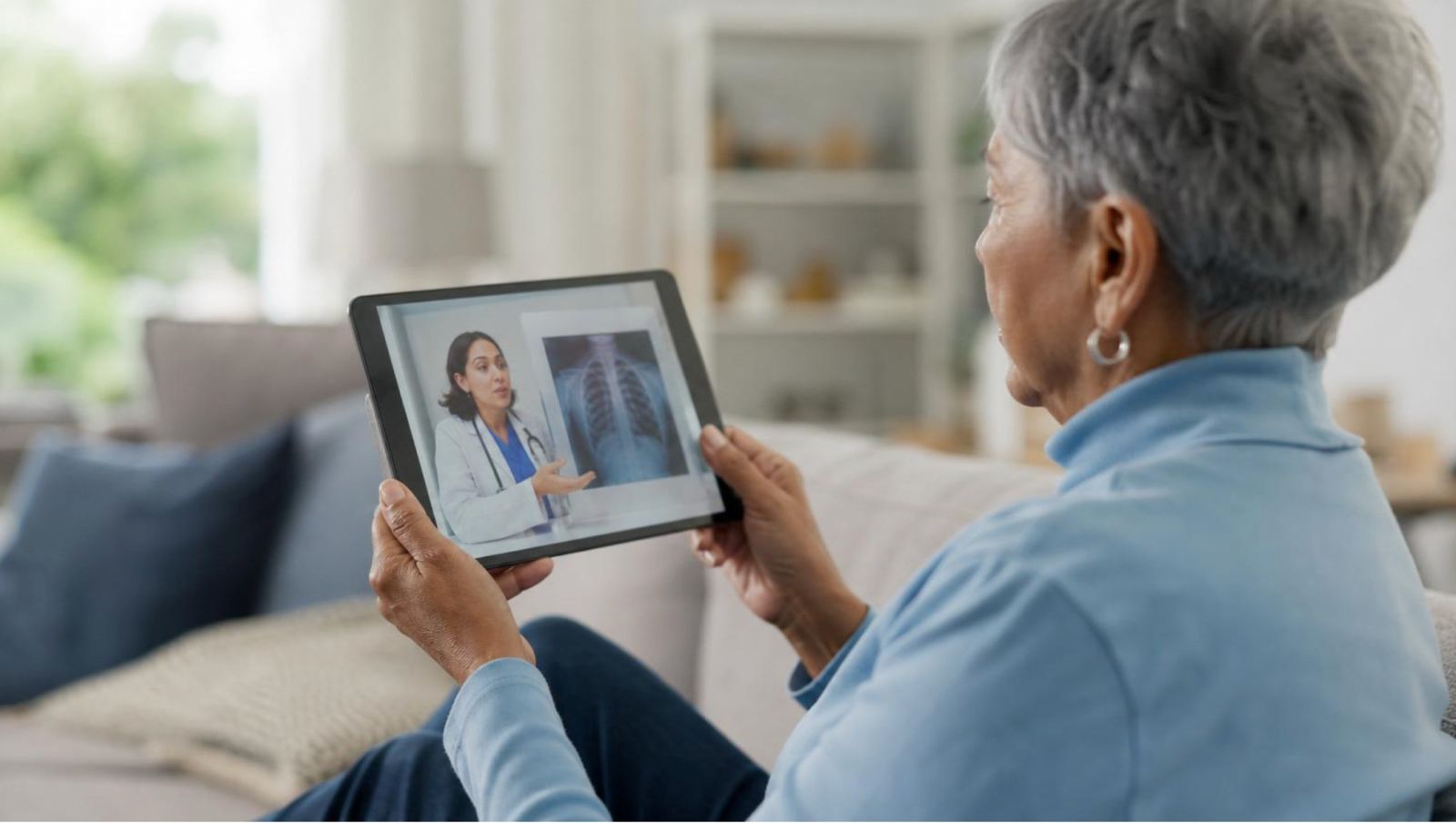
Telemedicine visits create natural opportunities for real-time education. Providers can share their screen to walk through imaging results, use annotation tools to highlight areas of concern, and record portions of the visit for patients to review later. A 2025 survey by the American Telemedicine Association found that 68% of patients preferred receiving educational content during virtual visits over in-person ones, primarily because they could revisit recordings. The combination of face-to-face explanation and digital reference material sticks better than either alone.
Enhancing Engagement with Multimedia and Gamification
Visual Learning via Explainer Videos and Infographics
Short explainer videos - typically under three minutes - have become the workhorse of patient education through digital platforms. Cleveland Clinic's YouTube channel, for example, generates over 50 million views annually, with pre-surgical preparation videos reducing patient anxiety scores by 22% in internal studies. Infographics work well for medication schedules, symptom red flags, and recovery timelines. The key is brevity: patients engage with content that respects their time.
Gamified Wellness Tracking and Behavioral Incentives
Gamification sounds gimmicky until you see the data. Apps that award points, badges, or small rewards for completing health tasks consistently outperform non-gamified versions. Mango Health reported a 38% improvement in medication adherence among users who engaged with its gamified reminder system. Behavioral incentives work because they tap into the same reward loops that make social media addictive, except here the outcome is a patient who actually finishes their antibiotic course.
Overcoming Barriers to Digital Adoption
Bridging the Digital Divide and Socioeconomic Gaps
Not every patient has a smartphone, reliable internet, or comfort with technology. Rural communities, elderly populations, and low-income households face real access barriers. Effective programs meet patients where they are: SMS-based education for feature phones, tablet lending programs at community health centers, and digital literacy workshops run by patient navigators. Ignoring these gaps means the patients who need education most are the least likely to receive it.
Ensuring Data Privacy and HIPAA Compliance
Any platform handling patient data must meet HIPAA standards, and patients need to trust that their information is secure. Breaches erode confidence fast: after a 2024 incident involving a major telehealth provider, enrollment in that platform dropped 31% within three months. Providers should choose platforms with end-to-end encryption, regular third-party audits, and transparent data-use policies. Trust is the prerequisite for engagement.
Measuring the Clinical Impact of Digital Education
Improvements in Medication Adherence and Self-Care
Digitally educated patients take their medications more consistently. A 2025 meta-analysis in The Lancet Digital Health found that patients using app-based education tools showed a 27% improvement in medication adherence compared to control groups. Self-care behaviors - wound care, physical therapy exercises, dietary compliance - also improved measurably when supported by digital reminders and instructional content.
Reducing Readmission Rates Through Informed Recovery
Hospital readmissions cost the U.S. healthcare system roughly $26 billion annually. Targeted post-discharge education delivered through patient portals and mobile apps has reduced 30-day readmission rates by 15-20% in several health system pilots. The mechanism is straightforward: patients who understand their recovery plan, recognize warning signs, and know when to call their provider are less likely to end up back in the emergency department.
The Future of AI and Personalization in Health Learning
AI is already reshaping how educational content reaches patients. Large language models can generate personalized care summaries in a patient's preferred language and reading level within seconds of a visit ending. Predictive algorithms identify which patients are most at risk of non-adherence and flag them for additional outreach. By 2027, most major health systems plan to deploy AI-driven education tools that adapt in real time to patient behavior and comprehension.
The trajectory is clear: patient education delivered through digital tools will only become more personalized, more accessible, and more tightly integrated with clinical workflows. If your organization is looking to bring EHR integration, telemedicine, and coordinated care under one roof, CareExpand offers a platform built specifically for that purpose. See how it works and explore whether it fits your care delivery model.
Related posts



The operating system for value-based care
And experience the impact of telemedicine within your organisation